
Why Does My Skin Discoloration Get Worse After Pregnancy, and Can Chemical Peels in Haymarket, Virginia Help?
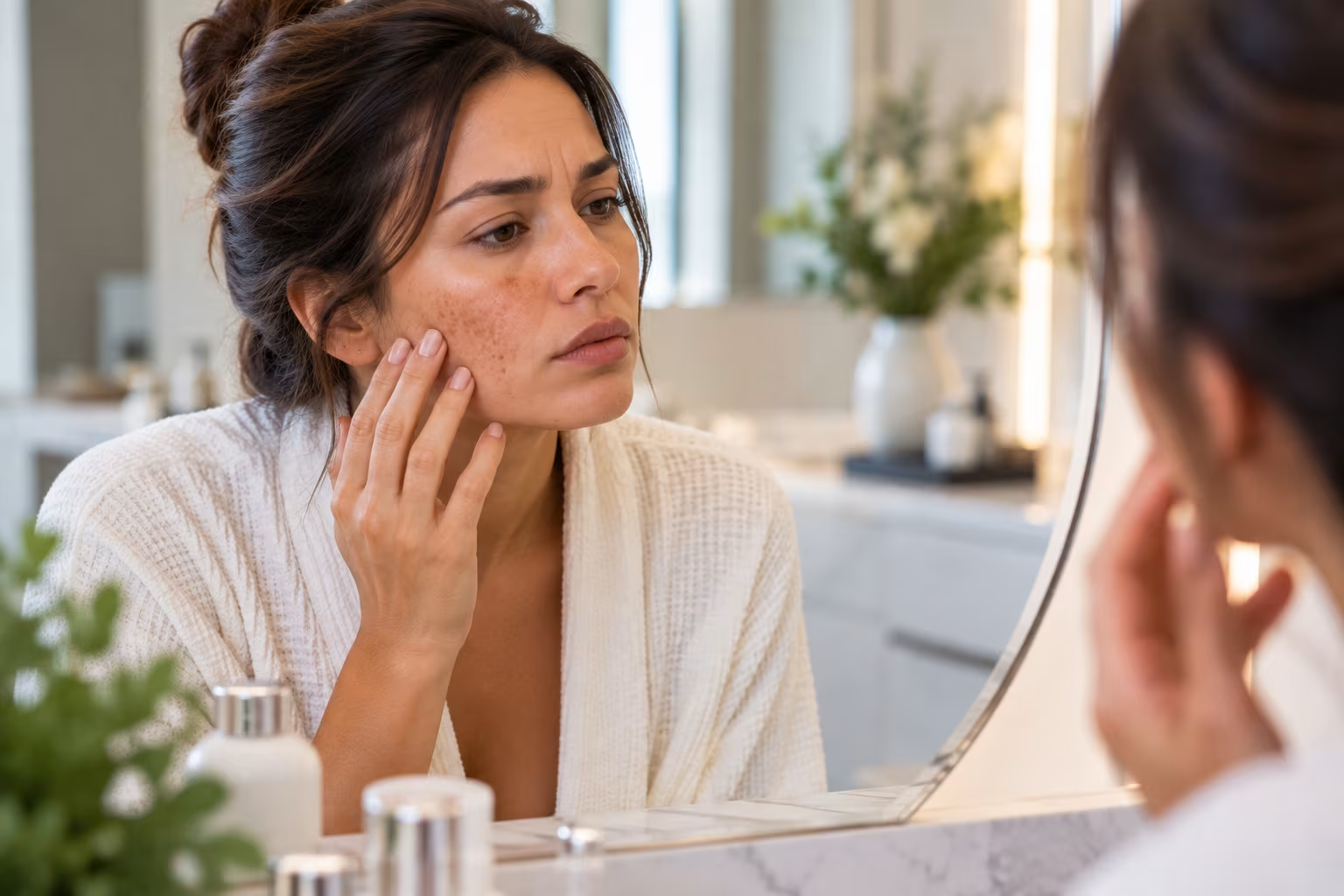
For a lot of women, the first sign of hormonal change shows up on the face long before anything else does. Dark, blotchy patches across the cheeks, forehead, or upper lip, often called the mask of pregnancy, can appear during pregnancy and stubbornly stick around for months or years afterward. Add in years of sun exposure during Virginia summers, and it is no surprise that chemical peels are one of the most requested treatments among women trying to even out their skin tone.
What Causes Hyperpigmentation in the First Place?
Hyperpigmentation happens when certain areas of skin produce excess melanin, usually triggered by a combination of sun exposure, inflammation, and hormonal fluctuation. Melasma, a specific form of hormonal hyperpigmentation, is especially common during pregnancy, while on birth control, or during perimenopause, and it tends to be more stubborn than sunspots caused by UV exposure alone. You can read more about the broader picture of this concern on our hyperpigmentation concerns page.
Why Does Pregnancy Trigger Dark Patches on the Face?
Rising estrogen and progesterone levels during pregnancy can stimulate melanin producing cells to become overactive, particularly in areas already exposed to the sun. This is why melasma often shows up symmetrically across both cheeks or along the upper lip. Genetics also play a role, so if your mother or sister experienced this, you may be more prone to it as well.
How Chemical Peels Help Even Out Skin Tone
A chemical peel works by applying a controlled solution to the skin that gently removes the outer, damaged layers, encouraging fresher, more evenly pigmented skin to surface underneath. Different peel strengths target different depths of discoloration, which is why a proper consultation matters more than picking a peel off a menu at random. At Thrive, chemical peels are customized based on your skin type, the depth of the discoloration, and how your skin has responded to treatment in the past.
Are All Chemical Peels the Same Strength?
No, and this is one of the most common misconceptions people bring into a consultation. Light peels are designed for surface level dullness and mild tone correction with almost no downtime, while deeper peels target more stubborn pigmentation but require more recovery time and careful aftercare. Our article on how chemical peels transform skin texture and tone breaks down what each level actually addresses.
Is Melasma Different From Regular Sun Damage?
Yes, and treating them the same way often leads to frustration. Sunspots caused by UV exposure tend to respond fairly predictably to peels and consistent sun protection. Melasma, on the other hand, is hormonally driven and can flare back up with heat, sun exposure, or hormonal shifts even after successful treatment, which means ongoing maintenance and diligent SPF use are part of the long term plan rather than a one time fix.
What Other Signs Suggest You Might Have Hormonal Pigmentation?
Common patterns that point toward hormonally driven discoloration include:
- Symmetrical patches on both cheeks, the forehead, or above the lip
- Discoloration that got noticeably worse during pregnancy, while on hormonal birth control, or during perimenopause
- Patches that seem to darken further with heat or sun exposure, even with sunscreen use
- A family history of similar pigmentation patterns
If several of these sound familiar, a consultation can help determine whether you are dealing with melasma, sun damage, or a combination of both, since the treatment approach differs slightly for each.
What to Expect From a Chemical Peel Appointment
A typical peel appointment at Thrive involves a thorough skin assessment first, since not every peel is appropriate for active melasma or very sensitive skin. From there, the process usually looks like:
- Cleansing and prepping the skin before the peel solution is applied
- The peel being left on for a specific amount of time based on your skin's tolerance and the depth being targeted
- Neutralizing and soothing the skin immediately afterward
- Clear aftercare guidance, since sun protection in the days following a peel is critical to avoid triggering more pigmentation
Lighter peels typically involve mild flaking for a few days, while deeper peels can take a week or more to fully shed and reveal the new skin underneath.
Can Chemical Peels Be Combined With Other Treatments?
Often, yes. Many women pair chemical peels with a broader facial routine, and Thrive's customized facials blend peels with other exfoliating techniques depending on skin needs, which we cover in our guide to customized facials from hydrodiamond to chemical peels. For patients also dealing with texture concerns, layering in microneedling over time can further support even, healthy looking skin.
Why Timing Matters for Virginia's Climate
Northern Virginia summers bring intense sun exposure that can worsen hyperpigmentation almost immediately, while fall and winter offer a more forgiving window for treatment since UV exposure is generally lower. Many women in Haymarket schedule chemical peel series in the cooler months specifically to give their skin the best chance to heal without the risk of new sun triggered pigmentation setting in. Our seasonal guide on adjusting medspa treatments for Virginia's climate goes into more detail on the best timing for different treatments throughout the year.
If discoloration has been bothering you for a while, the team at Thrive Medspa can help determine the right peel strength and treatment schedule for your specific skin.
Frequently Asked Questions
Will a chemical peel completely get rid of melasma? Melasma can be significantly improved with the right peel and consistent sun protection, but because it is hormonally driven, it can return without ongoing maintenance. Managing expectations around this helps avoid frustration down the line.
How many peels will I need to see a difference? Light peels are often done in a series of four to six sessions spaced a few weeks apart, while deeper peels may show results after just one or two treatments, depending on your skin's needs.
Is it safe to get a chemical peel while pregnant or breastfeeding? Certain peel ingredients are not recommended during pregnancy or breastfeeding. This is something to discuss directly during a consultation so your provider can recommend a safe alternative if needed.
Can men get chemical peels too? Absolutely. While hormonal pigmentation is more common in women, chemical peels are just as effective for men dealing with sun damage, acne related discoloration, or overall dull, uneven skin tone.
Consider This Your Skin's Fresh Coat of Paint
Discoloration that shows up after pregnancy or hormonal shifts can feel permanent, but skin has a remarkable ability to renew itself when it is given the right push. With a treatment plan built around your specific type of pigmentation, along with a little patience and consistent sunscreen, that evened out glow is well within reach.
.avif)
Confidence Begins with Feeling Your Best
Experience the Thrive difference through physician-led care, advanced technology, and personalized treatment planning designed to help you look refreshed, feel revitalized, and age confidently.