
What Can CO2 Laser Resurfacing Fix, and Is the Downtime Worth It?
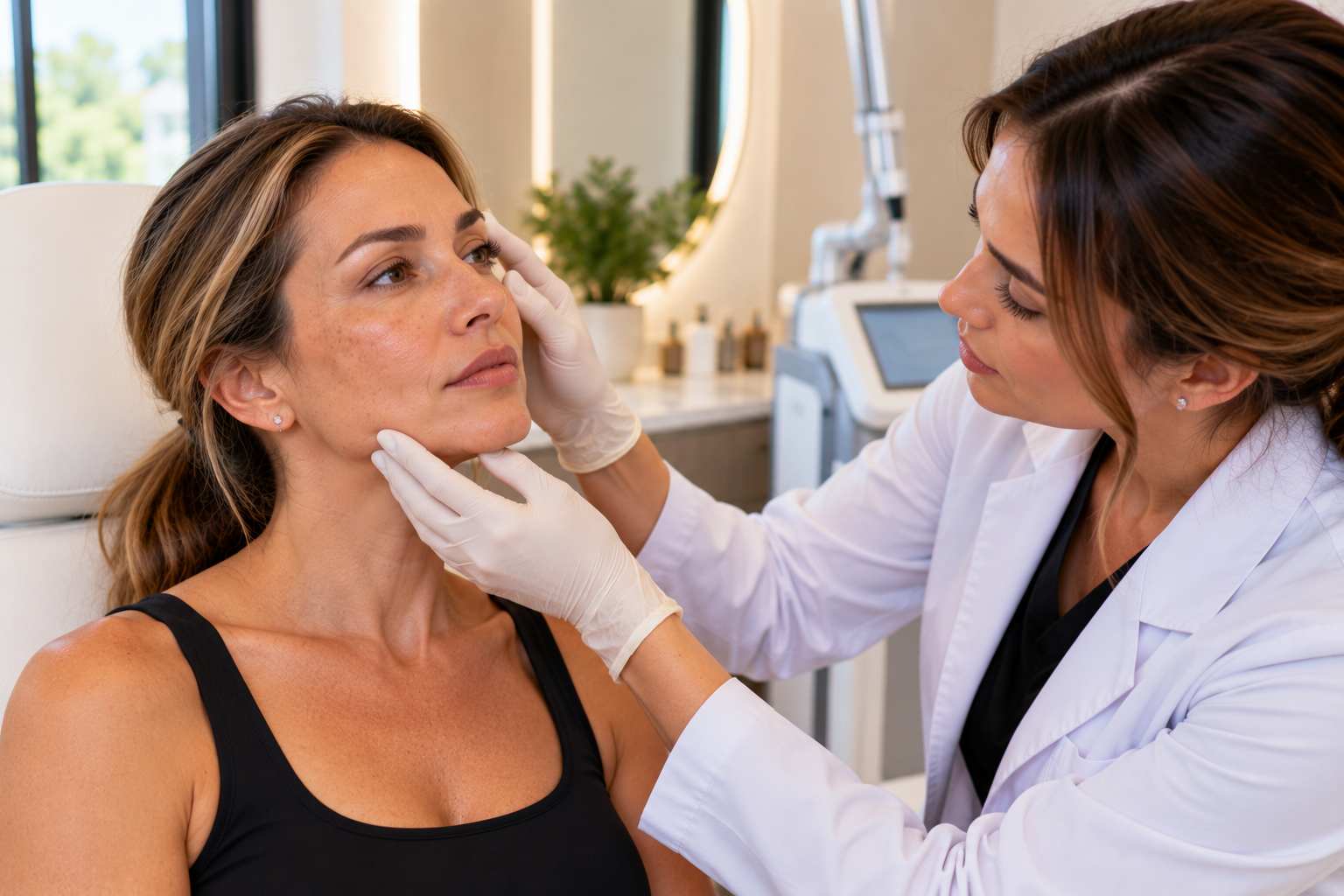
CO2 laser resurfacing is one of the most powerful options for improving fine wrinkles, sun damage, age spots, uneven texture, and mild to moderate acne scars. It works by removing thin layers of damaged skin and heating the deeper layer to stimulate new collagen. The tradeoff is downtime: new skin typically forms over about 7 to 10 days, and redness can linger for weeks or longer. For the right candidate who plans ahead, the results can last for years.
If you have been comparing resurfacing options and wondering whether CO2 is worth the recovery, this guide covers what it treats, what it does not, and how to decide if it fits your skin and your schedule.
What Is a CO2 Laser, and How Does It Work?
A CO2 laser is an ablative laser, which means it removes the outer layer of skin while heating the layer beneath. Mayo Clinic's overview of laser resurfacing explains that ablative lasers, including CO2 and erbium, stimulate collagen as the skin heals, which helps new skin grow back smoother and tighter.
Many CO2 treatments today are fractional. Instead of treating the entire surface, the laser treats microscopic columns of skin and leaves surrounding tissue intact, which generally helps shorten healing. Fractional treatments may be done as a series rather than a single session.
What Skin Concerns Can a CO2 Laser Improve?
CO2 laser resurfacing is typically used for:
- Fine lines and wrinkles, including around the eyes and mouth
- Sun damage and age spots
- Uneven skin tone and rough texture
- Mild to moderate acne scars
- Overall dullness and visible signs of photoaging
These concerns overlap with several that Thrive treats with other approaches as well, including fine lines and wrinkles, acne and acne scarring, and uneven skin texture and enlarged pores. Part of a good consultation is deciding which tool matches the severity of your concern.
What Can a CO2 Laser Not Fix?
Resurfacing improves the surface and quality of the skin, but it is not a facelift. According to Mayo Clinic, laser resurfacing does not correct sagging skin. If loose skin, volume loss, or deep folds are your main concern, other approaches may need to be part of the plan.
What Are the Main Benefits of CO2 Laser Resurfacing?
Noticeable Improvement in Texture and Tone
Because a CO2 laser works deeper than gentler treatments, it can create a more visible change in rough texture, sun damage, and fine lines in fewer sessions.
Collagen Stimulation
The healing process stimulates new collagen, which supports firmer-looking, smoother skin over the months after treatment.
Long-Lasting Results
Mayo Clinic notes that results of ablative resurfacing can last for years. Skin still ages, and sun exposure can undo results, so daily protection matters.
Customizable Intensity
Settings and fractional patterns can be adjusted to your skin and goals, which allows treatment to be tailored rather than one-size-fits-all.
What Is CO2 Laser Recovery Really Like?
Recovery is the biggest factor to plan around. According to Mayo Clinic, after ablative resurfacing:
- Skin is usually swollen, itchy, and discolored at first
- New skin typically covers the treated area in about 7 to 10 days
- Full recovery takes at least a month
- Redness or inflammation can persist for several months in some cases
During healing, you will follow detailed aftercare to keep the skin clean, moisturized, and protected. Avoid picking or peeling, and stay out of direct sun.
Planning Around a Busy Professional Schedule
For working professionals, CO2 resurfacing is best scheduled before a stretch of remote work, a holiday break, or planned time off. Avoid booking treatment within several weeks of a major presentation, wedding, or photo event. Many people find that fall and winter make recovery easier, since sun exposure is lower and it is simpler to stay indoors.
Who Is a Good Candidate for CO2 Laser Resurfacing?
Good candidates are generally healthy adults with sun damage, fine lines, uneven texture, or acne scars who can commit to the recovery period and strict sun protection.
Mayo Clinic notes that laser resurfacing may not be advised, or may need extra caution, if you:
- Took isotretinoin for acne in the past year
- Have a connective tissue disease, autoimmune condition, or weakened immune system
- Have a history of keloid scarring or radiation to the face
- Get frequent cold sores or have had a recent outbreak
- Are pregnant or breastfeeding
- Have a recent heavy tan
A Note for Medium and Darker Skin Tones
Ablative lasers carry a higher risk of long-term pigment changes in brown or Black skin. That does not automatically rule you out, but it does mean your provider should carefully assess your skin, discuss alternatives, and adjust the approach. Gentler options may be safer in some cases.
How Should You Prepare for CO2 Laser Resurfacing?
Preparation can make recovery smoother and lower the risk of complications. Before treatment, your provider may ask you to:
- Avoid unprotected sun exposure and tanning in the weeks leading up to treatment, since Mayo Clinic advises avoiding unprotected sun for up to two months beforehand
- Share your full health history, including any history of cold sores, since infections after resurfacing are most often cold sore flares and your provider may recommend preventive steps
- Review your current skincare and medications, especially retinoids, acne medications, and anything that makes skin more sensitive
- Stock up on the gentle cleanser, moisturizer, and sunscreen your provider recommends for aftercare
- Arrange your calendar so the first week or two can be spent mostly at home
High-end clients who want a polished, discreet experience often plan resurfacing around a quiet season, such as a holiday break, and schedule follow-up visits in advance so nothing slips through the cracks.
What Are the Risks and Side Effects?
Mayo Clinic lists possible side effects including redness, swelling, itching, acne flares or milia, infection (most often a cold sore flare), changes in skin color, and a small risk of scarring. Choosing an experienced provider, following aftercare carefully, and protecting your skin from the sun all help lower these risks.
How Does a CO2 Laser Compare to Gentler Treatments?
If you are not ready for significant downtime, gentler treatments may be a better place to start. Options such as Morpheus8, photofacials, chemical peels, and microneedling can improve texture, tone, and fine lines with shorter recovery, though they may require more sessions to reach similar goals. Many people use these as maintenance after resurfacing as well.
How Do You Protect Your Results?
Sun protection is non-negotiable. Mayo Clinic recommends avoiding unprotected sun exposure before treatment and using a daily moisturizer and sunscreen with SPF 30 or higher afterward. The American Academy of Dermatology's sunscreen FAQs can help you find a formula you will actually wear every day. A gentle skincare routine and periodic maintenance treatments help your results last.
Frequently Asked Questions
How long does it take to heal after a CO2 laser?
New skin typically covers the treated area in about 7 to 10 days, and full recovery takes at least a month. Some redness may last several weeks or longer.
Does CO2 laser resurfacing help acne scars?
Yes. CO2 laser resurfacing can improve mild to moderate acne scars by removing damaged skin and stimulating collagen. Deeper scars may need several treatments or a combination approach.
How long do CO2 laser results last?
Results of ablative resurfacing can last for years, though skin continues to age. Daily sunscreen and a good skincare routine help protect your results.
Is a CO2 laser safe for darker skin?
It may be possible in some cases, but brown and Black skin have a higher risk of long-term pigment changes after ablative treatment. A careful evaluation is essential, and gentler options may be recommended.
Can a CO2 laser tighten sagging skin?
Laser resurfacing improves skin texture and quality, but it does not correct sagging skin. Other treatments may be needed for laxity.
Fresh Skin Takes a Little Patience
CO2 laser resurfacing is a big step, and for the right person it can deliver one of the most visible improvements in texture and tone available without surgery. The key is choosing it for the right reasons and planning your recovery like it matters, because it does. If you are in Haymarket or nearby and want to know whether CO2 resurfacing or a gentler option is the better fit for your skin, contact Thrive Medspa & Wellness to schedule a skin consultation.

Confidence Begins with Feeling Your Best
Experience the Thrive difference through physician-led care, advanced technology, and personalized treatment planning designed to help you look refreshed, feel revitalized, and age confidently.