
Is Stress Showing Up on Your Skin, and Which Skincare Treatments Can Actually Help?
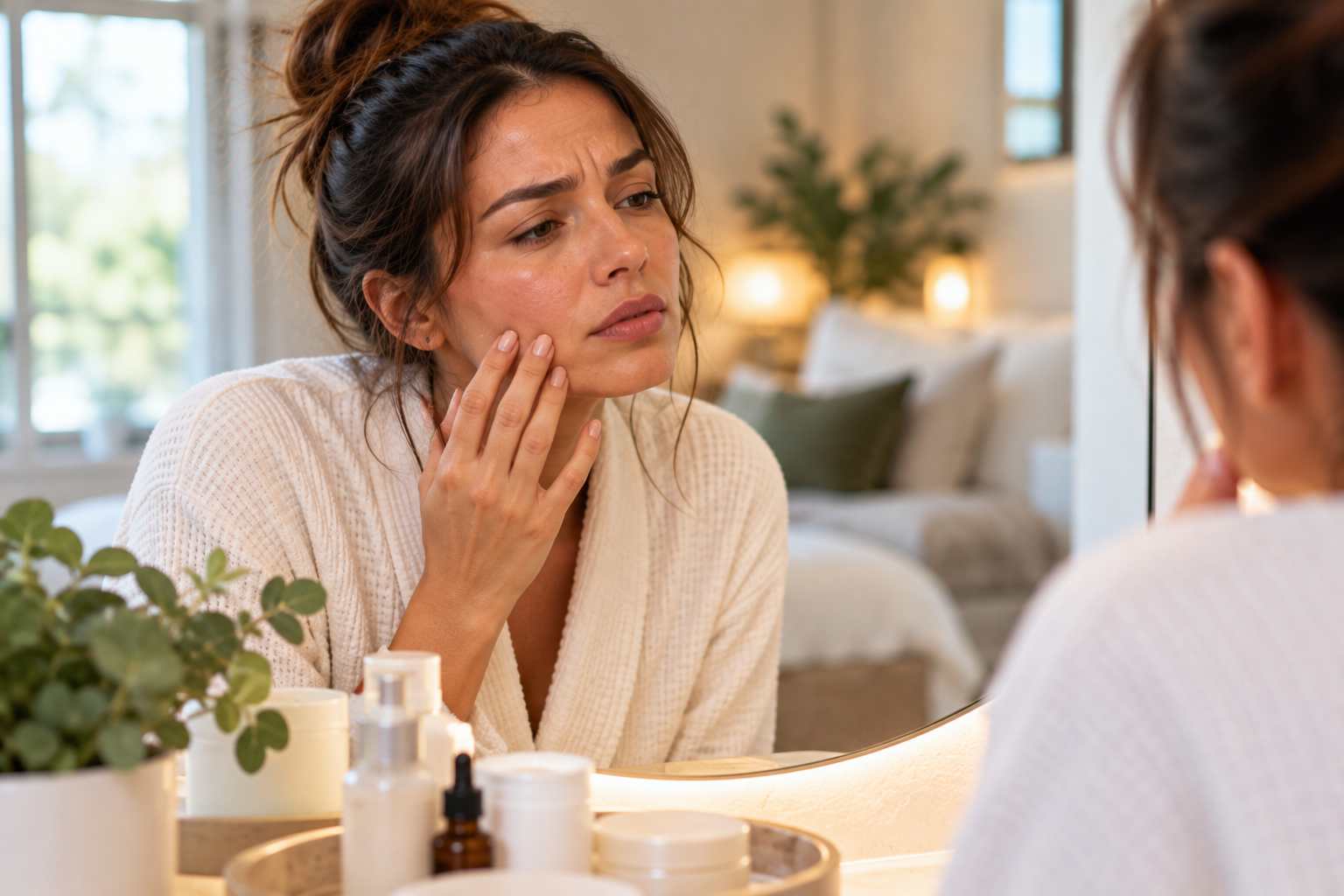
Yes, stress can show up on your skin. When stress runs high for weeks at a time, many people notice more breakouts, a dull or tired complexion, puffiness, dehydration, or skin that suddenly feels more sensitive. The right skincare treatment can calm and refresh stressed skin, but the best results come from pairing professional care with small changes that lower the overall load on your body.
If your skin looked great before a demanding season at work, a move, or a new baby, and now it does not, you are not imagining it. Here is how stress affects skin, which treatments help most, and how to fit care into a schedule that already feels full.
Can Stress Really Change the Way Your Skin Looks?
It can. Stress triggers a cascade of hormonal and nervous system responses that affect the whole body, including the skin. The American Psychological Association describes how chronic stress affects nearly every body system, from sleep to immune function. Your skin reflects many of those changes.
Stress also changes behavior. People under pressure tend to sleep less, drink less water, skip skincare steps, touch their face more, and reach for comfort foods. Each of those habits can nudge skin in the wrong direction, and together they add up quickly.
What Does Stressed Skin Usually Look Like?
Stressed skin does not look the same on everyone, but a few patterns show up often.
Breakouts Along the Jaw, Chin, or Hairline
Many adults notice flare-ups during intense periods, even if their skin has been clear for years. The American Academy of Dermatology lists stress among the factors that can trigger or worsen acne in adults.
Dullness and Dehydration
Short nights, long screen time, and too much coffee can leave skin looking flat and gray rather than bright. Fine lines may also look more noticeable when skin is dehydrated.
Puffiness and Facial Tension
Clenching your jaw, furrowing your brow, and sleeping poorly can leave your face looking tense or puffy, especially around the eyes in the morning.
Sensitivity and Redness
Skin that once tolerated everything may suddenly sting with products you have used for years. A weakened skin barrier is a common culprit.
Why Do Busy Professionals Notice It First?
Working professionals in Haymarket and across Northern Virginia often juggle long commutes on I-66, packed calendars, and late-night emails. That combination of chronic stress, limited sleep, and little time for self-care creates the perfect setup for stressed skin. Many people also skip appointments during their busiest seasons, which is exactly when their skin needs support the most.
The good news is that the most helpful treatments for stressed skin are usually low in downtime and fit into a lunch break or an afternoon off.
Which Skincare Treatments Help Stressed Skin the Most?
The right treatment depends on what your skin is doing. A skin assessment helps match the concern to the approach.
Holistic Facials for Tension, Puffiness, and Dullness
Thrive's facials are designed around the connection between skin health, stress, and circulation. The Thrive Exclusive Holistic Facials include three options:
- Botanical Aromatherapy + Skin Rejuvenation, for dull, tired skin that needs hydration and glow
- Deep Relaxation + Pressure Point, for facial tension and stress-related skin concerns
- Gua Sha Sculpting + Lymphatic Drainage, for puffiness and a more sculpted, refreshed look
These facials involve little to no downtime, so you can return to your day afterward. Customized facials are also available for dryness, congestion, uneven tone, and breakouts, and they are tailored for sensitive skin.
Hydrodermabrasion for Congested or Dehydrated Skin
When stress shows up as clogged pores and dehydration at the same time, hydrodermabrasion can be a good fit. It pairs diamond-tip exfoliation with hydrating serum infusion and is typically gentler than traditional microdermabrasion, which makes it a smart choice for skin that has become reactive.
Chemical Peels for Breakouts and Lingering Marks
If stress-related breakouts have left dark spots or rough texture behind, a customized chemical peel may help renew the surface and even out tone. Your provider will choose a strength that fits both your skin and your schedule.
Microneedling When Breakouts Leave Scarring
For people whose stress-season breakouts left behind textural scarring, microneedling may help stimulate collagen and smooth the surface over a series of treatments. This option involves a few days of mild redness, so timing matters.
Do Men and Women Experience Stressed Skin Differently?
Both men and women can see stress on their skin, but the details often differ.
Women may notice stress-related flare-ups overlapping with hormonal shifts across the menstrual cycle, after pregnancy, or during perimenopause, which can make breakouts and sensitivity feel unpredictable. When skin changes appear alongside other hormonal symptoms, Thrive can look at the bigger picture rather than treating the surface alone.
Men often have thicker, oilier skin and shave daily, which can add irritation and ingrown hairs on top of stress breakouts. Many men also run a minimal routine, so a single professional facial and a simple home regimen can make a surprisingly visible difference.
How Often Should a Busy Person Book a Skincare Treatment?
There is no single schedule that fits everyone, but consistency usually beats intensity for stressed skin. Many people do well with a monthly facial or hydrodermabrasion session, adding peels or microneedling in a series when there is a specific concern to target.
If you already know you will struggle to keep appointments, a facial membership can make it easier to stay on track. Having a standing appointment on the calendar removes one more decision from a busy week.
What Can You Do Between Appointments?
Professional treatments work best when your daily habits support them. A few small changes go a long way:
- Keep your routine simple: a gentle cleanser, a moisturizer, and daily sunscreen
- Avoid adding several new active products at once when skin feels reactive
- Protect your sleep where you can, even an extra 30 minutes helps
- Drink water consistently, especially on high-caffeine days
- Notice jaw clenching or face touching during stressful meetings
- Build in short breaks, a walk outside, or a few minutes of slow breathing
None of these replace professional care, but they make every treatment work harder for you.
When Is It More Than Just Stressed Skin?
Stress explains a lot, but not everything. Some changes deserve a closer look from a dermatologist or your primary care provider, especially when they persist after the pressure eases. Consider getting checked if you notice:
- Deep, painful breakouts that leave scars or do not respond to treatment
- A rash, scaling, or redness that spreads or keeps returning
- Sudden hair shedding along with skin changes
- Ongoing exhaustion, weight changes, or mood shifts alongside skin symptoms
These patterns can point to medical conditions that need evaluation beyond skincare. Thrive's team can help you think through next steps and, when hormonal changes may be part of the story, discuss whether wellness services such as hormone evaluation are worth exploring. The goal is to treat the cause, not just the surface.
Frequently Asked Questions
What is the best skincare treatment for stressed skin?
It depends on how stress is showing up. Holistic facials help with tension, puffiness, and dullness, hydrodermabrasion helps with congestion and dehydration, and chemical peels or microneedling help with lingering marks and texture. A skin assessment helps choose the right starting point.
Can a facial really help reduce stress?
Facials are not a treatment for stress itself, but many people find relaxation-focused facials calming. Thrive's holistic facials combine skincare with techniques like pressure point work, aromatherapy, and gua sha for both skin and relaxation benefits.
How long until stressed skin improves?
Many people notice a brighter, calmer look right after a facial or hydrodermabrasion. Deeper concerns like marks or texture usually take a series of treatments over several weeks.
Is there downtime after a stress-relief facial?
Most holistic facials involve little to no downtime, so you can head back to work or errands right afterward.
Should I change my skincare routine when my skin is stressed?
Often, simplifying helps. Stressed skin tends to do better with gentle, consistent basics than with many strong products. Your esthetician can recommend what to keep and what to pause.
Your Skin Has Been Taking Notes, So Give It a Break
Stress leaves fingerprints, and your skin is often the first place they show. You do not have to wait for a calmer season to start feeling better in your own skin. If you live or work in Haymarket and want a skincare plan that fits a demanding life, schedule a consultation with Thrive Medspa & Wellness at our Washington Street location, or visit our homepage to explore our full menu of esthetician and wellness services.

Confidence Begins with Feeling Your Best
Experience the Thrive difference through physician-led care, advanced technology, and personalized treatment planning designed to help you look refreshed, feel revitalized, and age confidently.