
What Is That Dullness, Discoloration, or Rough Texture on Your Skin Actually Telling You?
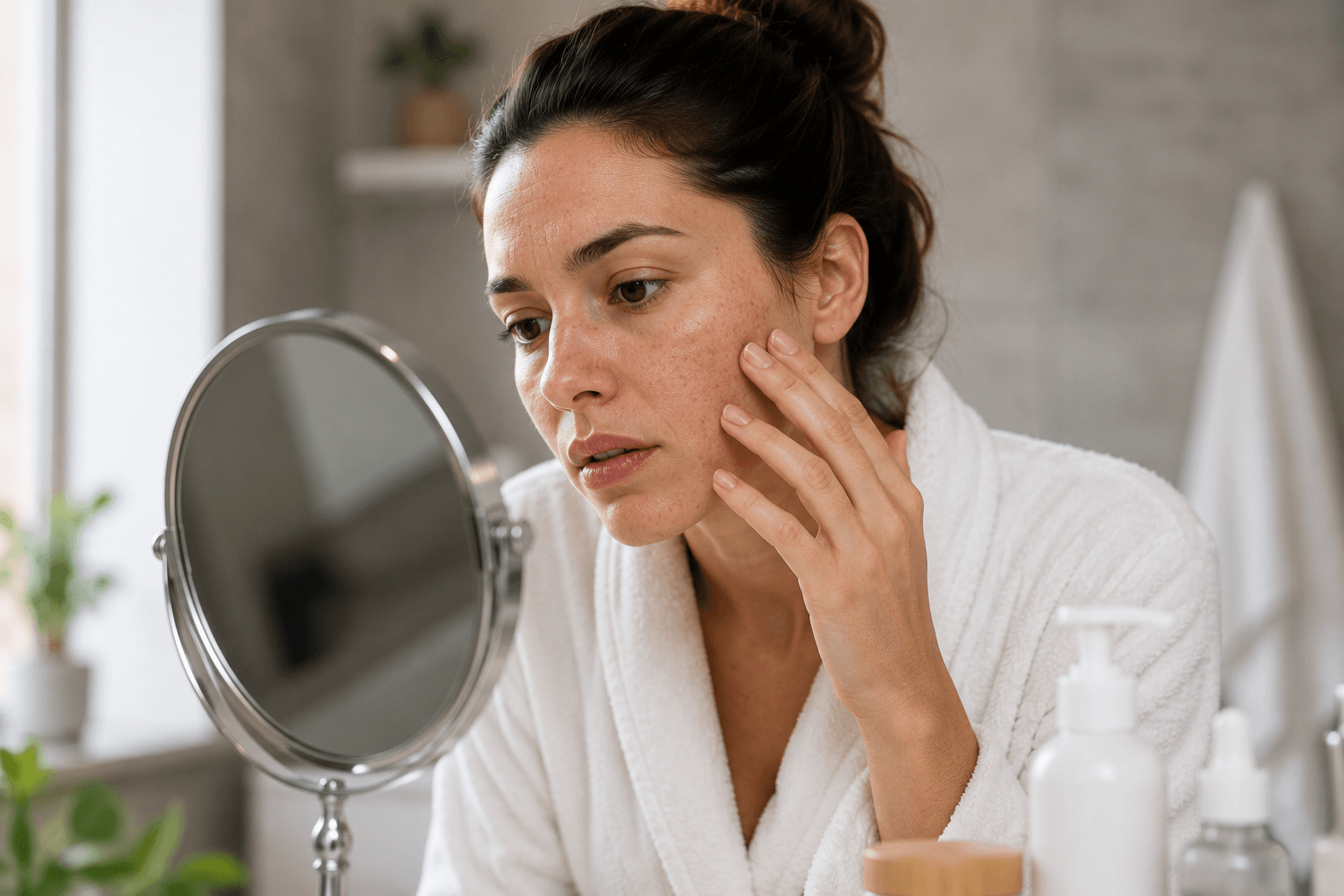
You wash your face, moisturize, wear sunscreen most days, and still your skin looks tired. Maybe there are dark patches left over from old breakouts. Maybe your complexion looks a little uneven under bright light, or your foundation seems to sit differently than it used to. These are not signs that your skincare routine has failed you. They are signs that your skin needs a deeper reset than surface products alone can provide.
This is exactly the gap that chemical peels are designed to close. At Thrive Medspa in Haymarket, Virginia, chemical peels are one of the most requested treatments for exactly this reason: they work below the surface layer that daily products cannot reach, revealing smoother, more even toned skin underneath.
This guide walks through what causes these common skin concerns, how chemical peels address them, and what to expect if you are considering one. Updated for August 2026.
What Causes Dark Spots, Dullness, and Uneven Texture in the First Place?
Skin renews itself constantly, but that renewal process slows down with age, sun exposure, and everyday stressors. Dead skin cells that should shed naturally start to linger, which is what creates that flat, dull appearance. Meanwhile, sun exposure and inflammation from acne can trigger excess pigment production, leaving behind dark patches long after a breakout has cleared.
Why Does Hyperpigmentation Happen?
Hyperpigmentation occurs when certain areas of skin produce more melanin than surrounding tissue, usually triggered by sun exposure, hormonal changes, or inflammation from acne or injury. It is one of the most common concerns dermatology and skincare providers treat, and it rarely resolves on its own without some form of active treatment.
What Causes Uneven Skin Texture and Enlarged Pores?
Texture issues usually come down to a buildup of dead skin cells, excess oil production, and sun damage that thickens the outer layer of skin over time. Enlarged pores often become more noticeable as skin loses elasticity, which makes them appear stretched even when oil production has not changed.
Is Acne Scarring Permanent?
Not necessarily. While some deeper scarring requires more intensive treatment, the surface level discoloration and texture changes left behind by acne often respond well to treatments that encourage skin renewal, which is precisely what a peel is designed to do.
How Do Chemical Peels Actually Work?
A chemical peel uses a carefully formulated solution to remove the outermost layers of damaged or dull skin, encouraging faster, healthier cell turnover. As the treated layer sheds, it reveals fresher skin underneath, which tends to have more even tone, smoother texture, and a brighter overall appearance.
Peels vary in strength and formulation depending on what a person's skin needs. A lighter peel might be ideal for someone looking for a quick refresh before an event, while a deeper formulation may be recommended for more stubborn pigmentation or texture concerns. This is why a proper skin consultation matters so much before choosing a treatment plan.
What Skin Concerns Do Chemical Peels Address Best?
Chemical peels are particularly effective for hyperpigmentation, sun damage, uneven texture, mild acne scarring, and the kind of general dullness that comes from a slower cell turnover rate. You can read more about how this connects to hyperpigmentation and uneven skin texture and enlarged pores on the Thrive Medspa concerns pages.
Can Chemical Peels Help With Acne, Not Just Acne Scars?
Yes. Because peels help clear away dead skin and excess oil buildup, many patients also notice fewer active breakouts over time, in addition to improvement in the marks left behind by past acne. This dual benefit is part of why peels remain such a popular option among both younger patients dealing with active acne and adults managing the aftermath of it.
What Should You Expect During and After a Chemical Peel?
Most peels take well under an hour, and the sensation is often described as mild tingling or warmth rather than pain. Depending on the strength of the peel, you might notice some redness immediately afterward, followed by light flaking or peeling over the following days as the skin renews itself.
Recovery time depends on the depth of the peel. Lighter peels typically involve little to no visible downtime, making them a popular lunchtime treatment, while deeper formulations may require a few days of visible peeling before the results fully reveal themselves.
How Many Chemical Peel Sessions Will You Need?
This varies by individual and by concern. Some patients see noticeable improvement after a single session, particularly for a quick brightness boost, while more significant pigmentation or texture concerns typically respond best to a series of treatments spaced a few weeks apart.
Are Chemical Peels Safe for All Skin Types?
Peels can be formulated to suit a wide range of skin types and tones, but the right formulation matters. This is another reason a professional consultation is so important rather than attempting at home versions, which often lack the precision and safety oversight of an in office treatment.
Who Is a Good Candidate for a Chemical Peel?
Generally, anyone dealing with dullness, uneven tone, mild acne scarring, sun damage, or textural concerns can be a good candidate. People preparing for a special event often choose a lighter peel for an immediate glow, while those managing longer term pigmentation or texture concerns may benefit more from a structured series.
It is worth noting that certain skin conditions, recent sun exposure, or specific medications can affect candidacy, which is why a consultation with an experienced provider should always come first.
Can Chemical Peels Help With Signs of Aging, Not Just Pigmentation?
Beyond pigmentation and texture, chemical peels can also play a supporting role in addressing early signs of aging. By encouraging faster cell turnover and stimulating fresh skin growth, peels can soften the appearance of fine surface lines and improve overall skin clarity, which many patients notice as a more youthful, refreshed look after a series of treatments. For deeper set wrinkles, a peel is often paired with other treatments rather than used alone, since different concerns respond better to different tools.
How Should You Prepare Your Skin Before a Chemical Peel?
Preparing your skin in the weeks leading up to a peel can make a noticeable difference in your results. Your provider may recommend pausing certain active ingredients, staying diligent with sunscreen, and avoiding excessive sun exposure beforehand, since sun damaged or irritated skin can respond differently to treatment. A pre treatment consultation is the best way to get guidance specific to your skin.
How Do Chemical Peels Fit Into a Broader Skincare Plan?
Chemical peels are rarely a standalone fix. Many patients at Thrive Medspa combine peels with other treatments such as hydrodermabrasion, microneedling, or regular facials to maintain results between more intensive sessions. You can explore the full range of skin focused options on the esthetician services page or browse all treatments on the services page.
If dullness, dark spots, or rough texture have become the norm rather than the exception, a peel might be the reset your skin has been asking for.
Frequently Asked Questions About Chemical Peels
How long do chemical peel results last? Results vary depending on the depth of the peel and your skincare routine afterward, but many patients maintain their results with periodic treatments and consistent daily skincare, including sunscreen.
Do chemical peels hurt? Most patients describe mild tingling or warmth rather than significant discomfort, though sensation can vary depending on peel strength.
Can chemical peels get rid of dark spots completely? Many patients see significant improvement in hyperpigmentation, though the level of results depends on the depth of discoloration and how many sessions are completed.
What is the difference between a light peel and a deep peel? Lighter peels target the outermost skin layer with minimal downtime, while deeper peels penetrate further to address more stubborn concerns and typically involve a longer recovery period.
Can I wear makeup after a chemical peel? This depends on the depth of the peel and how your skin responds. Your provider will give you specific aftercare guidance based on your treatment.
Ready to Peel Back the Layers Holding Your Glow Back?
Dull skin, stubborn discoloration, and rough texture are common, but none of them have to be permanent. A well chosen chemical peel can strip away what is dragging your complexion down and reveal the brighter, smoother skin that has been buried underneath all along.
If you are ready to talk through which peel makes sense for your skin, the team at Thrive Medspa in Haymarket, Virginia would love to help you build a plan. Contact us to schedule your consultation.
.avif)
Confidence Begins with Feeling Your Best
Experience the Thrive difference through physician-led care, advanced technology, and personalized treatment planning designed to help you look refreshed, feel revitalized, and age confidently.